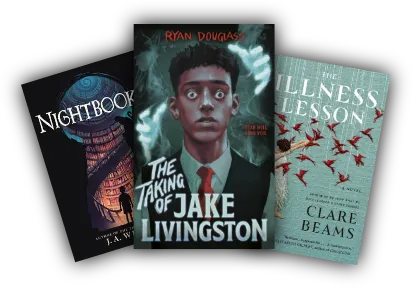

To find a literary agent as a first-time author, you must research agents who represent your specific genre, format a compelling query package, and submit your work following their precise guidelines. This process involves writing a highly polished query letter, crafting a comprehensive book synopsis, and polishing your opening chapters. By utilizing industry databases like QueryTracker and the Manuscript Wish List (MSWL), debut authors can systematically pitch their manuscripts to publishing professionals who have a proven track record of selling books to major publishing houses.The journey from a completed manuscript to a major bookstore shelf is often paved with rejection, revision, and persistence. For debut novelists and non-fiction writers alike, securing representation from a reputable literary agent is the golden key to traditional publishing. Major publishing houses—such as Penguin Random House, HarperCollins, Simon & Schuster, Macmillan, and Hachette—do not accept unsolicited manuscripts. To get your book onto their desks, you need a champion who understands the market, has direct lines of communication with acquisitions editors, and knows how to negotiate a lucrative contract.
The Publishing Landscape: Traditional vs. Independent Paths
Before embarking on the agent hunt, it is crucial to understand where your project fits in the modern literary ecosystem. While some authors choose to bypass the gatekeepers entirely by utilizing self-publishing services to retain complete creative control, traditional publishing remains the primary avenue for widespread physical bookstore distribution, major media coverage, and prestigious literary awards. A literary agent acts as your business partner, legal advocate, and career strategist. They work on a commission basis (typically 15% on domestic sales and 20% on foreign rights), meaning they only get paid when you get paid. This incentive structure ensures that your agent is highly motivated to secure the best possible deal for your book.
Phase 1: Preparing Your Manuscript for the Pitch
You cannot pitch a half-baked idea—at least not for fiction. One of the most common mistakes first-time authors make is querying agents before their manuscript is completely finished, polished, and ready for market.
The Editing Standard: Why First Drafts Aren’t Ready
Agents read hundreds of queries a week. If your opening pages contain typos, structural pacing issues, or weak character development, they will pass immediately. Before you even look up an agent’s name, your manuscript must go through multiple rounds of self-editing and beta reader feedback. Many successful debut authors invest in professional book editors for hire to ensure their prose meets the rigorous standards of traditional publishing.
Industry-Standard Word Counts by Genre
Agents look at word counts as an immediate indicator of whether a writer understands their market. If your debut fantasy novel is 250,000 words, or your contemporary romance is only 40,000 words, most agents will reject it based on formatting alone, as printing costs and market expectations dictate specific ranges.
| Genre | Standard Word Count Range | The “Danger Zone” (Too Short / Too Long) |
|---|---|---|
| Commercial / Literary Fiction | 80,000 – 100,000 words | Under 70k / Over 110k |
| Sci-Fi & Fantasy | 90,000 – 120,000 words | Under 80k / Over 130k |
| Thriller / Mystery / Suspense | 75,000 – 90,000 words | Under 65k / Over 100k |
| Young Adult (YA) Fiction | 50,000 – 80,000 words | Under 45k / Over 90k |
| Memoir / Narrative Non-Fiction | 60,000 – 90,000 words | Under 50k / Over 100k |
Phase 2: Building Your Target Literary Agent List
Querying is a numbers game, but it is also a game of precision. Sending a science fiction manuscript to an agent who only represents historical romance is a waste of time for both parties. You must build a highly curated list of 30 to 50 agents who actively seek your specific sub-genre.
Where to Find Reputable Literary Agents
To avoid scam agencies and find legitimate, active agents, utilize the following industry-standard databases:
- QueryTracker: The premier database for tracking submissions, viewing response times, and reading comments from other querying authors.
- Manuscript Wish List (MSWL): A platform where agents post highly specific details about the types of stories, tropes, and voices they are currently searching for.
- Publishers Marketplace: A paid subscription service ($25/month) that allows you to see which agents are actually making deals, which editors they sell to, and the size of those deals.
- Acknowledgment Pages: Open up recently published books that are similar to yours. Authors almost always thank their literary agents in the acknowledgments.
Real-Time Search Terms to Help Your Research
When hunting for representation online, try using these specific search strings to find up-to-date opportunities:
- “Manuscript Wish List” [Your Genre]
- “Literary agents seeking debut fiction”
- “New literary agents open to submissions 2024”
- “How to query agents for [Your Genre]”
Phase 3: Crafting Your Query Package
Your query package is your job application to the publishing world. It must be professional, engaging, and structured exactly how agents expect. A standard query package consists of three main elements: the query letter, the synopsis, and the sample pages.
1. The Anatomy of a Winning Query Letter
A query letter is a one-page pitch (roughly 250 to 350 words) designed to make an agent say, “Send me the manuscript.” It should follow a clean, four-paragraph structure:
The Hook (The Personalization & Metadata): Start by addressing the agent by name (never “Dear Agent”). State why you are querying them specifically (e.g., their representation of a specific book, or a recent MSWL tweet). State your book’s title, genre, word count, and comp titles.
The Pitch (The Blurb): This is the back-cover copy of your book. Introduce your protagonist, the inciting incident, the primary conflict, and the stakes. What does your character want, what is standing in their way, and what happens if they fail? Keep this to 150 words and write it in the third person, present tense.
The Comps (Comparative Titles): Show that you know the current market by listing two books published in the last 3 to 5 years that share thematic or stylistic elements with your book. Frame them as “X meets Y.”
The Bio: A brief paragraph about your writing credentials, publishing history (if any), and relevant personal background. If you do not have prior publications, simply state that this is your debut novel.
2. The Dreaded Synopsis
Unlike the query letter, which keeps the ending a secret to build tension, a synopsis is a one-to-two-page document that spoils the entire plot, including the ending. Agents read the synopsis to ensure your story has a cohesive narrative arc, logical pacing, and a satisfying resolution. Do not write your synopsis like a teaser; write it as a clear, chronological summary of your book’s major plot points.
3. The Sample Pages
Every agent has different submission guidelines. Some want only the query letter; others want the query plus the first 5, 10, or 50 pages of your manuscript. Always format your sample pages in standard industry layout:
- Double-spaced text
- 12-point Times New Roman font
- 1-inch margins on all sides
- Left-aligned text (not justified)
Phase 4: Executing a Strategic Query Campaign
Once your materials are ready and your list is built, it is time to submit. However, sending out 50 queries all at once is a strategic mistake. Instead, query in waves.
The “Wave” Querying Strategy
Send your query package to an initial batch of 10 to 12 agents. Categorize these agents into a mix of “dream agents” (highly established industry veterans) and “rising stars” (newer agents at reputable agencies who are actively building their client lists). Once sent, wait for responses. The feedback you receive during this first wave will dictate your next steps:
- If you receive mostly form rejections on the query letter: Your hook or concept isn’t landing. Revise the query letter before sending the next wave.
- If agents request partial or full manuscripts, but then reject them: Your query letter is working, but the manuscript itself has pacing or structural issues in the opening chapters. Pause querying and revise your pages.
- If you receive requests for more material: Keep going! Your package is working exactly as intended.
| Response Type | What It Means | Your Action Plan |
|---|---|---|
| Form Rejection | A standard rejection email with generic phrasing. | Do not take it personally. Log it in QueryTracker and move to the next agent. |
| Personalized Rejection | The agent rejected the project but took time to praise specific elements. | Take their notes seriously. This means you are very close to market readiness. |
| Partial / Full Request | The agent wants to read more of your manuscript. | Send the requested files immediately, formatted exactly as requested. |
| Nudge / Offer of Representation | An agent wants to schedule a phone call to discuss representing you. | Notify all other agents who currently have your manuscript that you have an offer. |
Phase 5: Navigating “The Call” and Offers of Representation
When an agent loves your manuscript, they will email you to set up a phone call or Zoom meeting. This is known in the industry as “The Call.” While it is an incredibly exciting milestone, remember that this is an interview for both of you. You need to ensure this agent has the connections, communication style, and vision to elevate your career.
Crucial Questions to Ask a Prospective Agent
- Which editors or publishing houses do you envision pitching this book to?
- Are you an editorial agent? (Do you want to do revisions before submitting to editors?)
- What is your communication style? Do you prefer email, phone calls, or texts?
- How do you handle client disagreements or a book that doesn’t sell on the first round of submissions?
- Can you walk me through your agency’s client agreement contract?
For authors seeking a highly collaborative experience during this critical career step, partnering with an established organization like the Literary Agency can provide the professional guidance needed to navigate complex industry contracts, maximize foreign rights sales, and secure long-term publishing success.
What Happens When You Get an Offer
If an agent offers representation, you do not have to accept on the spot. In fact, professional etiquette dictates that you thank them and request one to two weeks to make your decision. During this window, you must immediately email every other agent who has your query or manuscript. Use a subject line like: “OFFER OF REPRESENTATION: [Book Title] by [Your Name].” This often prompts other interested agents to read your work quickly, potentially resulting in multiple offers and giving you leverage to choose the absolute best fit for your career.
Alternative Roads to Publication
If the traditional agent route proves too restrictive or slow-moving, modern authors have more options than ever before. Many writers transition to self-publishing to get their books to market faster, utilizing professional author marketing services to build their own readership, coordinate launch strategies, and run profitable advertising campaigns on platforms like Amazon and Goodreads. Whether you choose the traditional path with an agent or the independent route, success relies on the quality of your writing and your dedication to the craft.