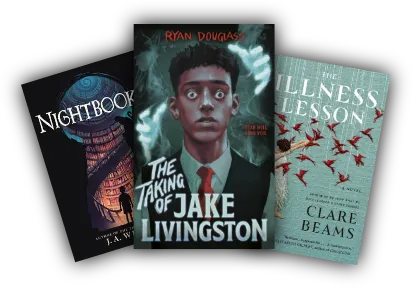

Imagine standing in a crowded bookstore, holding a beautifully bound hardcover copy of your own novel. The cover art is striking, the pages are crisp, and your name is embossed on the spine. For many writers, this is the ultimate dream. However, the path to traditional publishing often feels like navigating an impenetrable fortress. The gatekeepers of this world are literary agents. If you want a major publishing house to buy your book, you must first learn how to secure representation.
To find a literary agent, you must research industry databases like Publishers Marketplace and QueryTracker, identify agents who represent your specific genre, format a compelling query letter with a polished synopsis, and submit your proposal through their preferred submission portals. This systematic process requires a completed, professionally polished manuscript, a deep understanding of your book’s target market, and a strategic querying campaign designed to capture an agent’s attention in a highly competitive market.
While the journey can feel overwhelming, breaking it down into actionable, professional steps transforms a daunting task into a manageable campaign. In this comprehensive guide, we will analyze the exact blueprint successful authors use to secure representation, sign publishing deals, and launch their literary careers.
Why Do You Need a Literary Agent?
Before diving into the mechanics of the search, it is essential to understand why literary agents are so vital to the traditional publishing ecosystem. Most major publishing houses, such as the “Big Five” (Penguin Random House, HarperCollins, Simon & Schuster, Hachette, and Macmillan), do not accept unagented submissions. They rely on agents to act as first-tier filters, vetting manuscripts for quality, marketability, and author readiness.
A literary agent is not just a gatekeeper; they are your business partner, advocate, and strategist. Their responsibilities include:
- Negotiating Contracts: Standard publishing contracts are complex. Agents understand industry standards and fight for better royalty rates, subsidiary rights, foreign rights, and audio rights.
- Editorial Guidance: Many agents work editorially, helping you polish your manuscript or book proposal before pitching it to acquisition editors.
- Career Management: A good agent helps you plan your long-term career, guiding you through subsequent book deals, genre transitions, and brand building.
- Industry Connections: Agents have personal relationships with editors. They know exactly who is looking for a psychological thriller, a historical fantasy, or a high-concept memoir.
In exchange for these services, legitimate literary agents work on a commission basis—typically 15% on domestic sales and 20% on foreign sales. An agent should never charge you upfront fees to read, edit, or represent your work. If an agency asks for reading fees or mandatory editing fees, walk away immediately.
Phase 1: Preparing Your Manuscript for the Spotlight
The most common mistake aspiring authors make is querying too early. You only get one chance to make a first impression with a specific agent. If you send a draft that is unpolished or incomplete, you risk a quick rejection that closes the door permanently for that book.
Fiction vs. Non-Fiction Submission Rules
The preparation process differs dramatically depending on whether you are writing fiction or non-fiction:
| Manuscript Type | Required Readiness Level | Primary Submission Document | Key Focus Areas |
|---|---|---|---|
| Fiction (Novels) | 100% complete and fully edited. | Query letter, 1-2 page synopsis, and sample pages. | Character arcs, pacing, narrative voice, satisfying resolution. |
| Non-Fiction | Can be pitched on proposal (usually 2-3 sample chapters complete). | Comprehensive book proposal (often 30-50 pages). | Author platform, target market analysis, marketing plan, chapter outlines. |
The Critical Editing Phase
Before querying, your manuscript must go through multiple rounds of self-editing, beta reader feedback, and professional critique. Many authors hire book editors for hire to ensure their manuscript is structurally sound, free of developmental plot holes, and polished at the line level. A polished manuscript stands out immediately in an agent’s crowded inbox, signaling that you are a serious professional who respects their time.
Phase 2: Researching the Right Literary Agents
Sending your manuscript to every agent you find online is a recipe for rejection. You must target agents who actively represent your genre and are currently open to submissions. This process is known as building your “query list.”
Where to Find Reputable Literary Agents
To build a high-quality list of prospective agents, rely on established industry databases. Here are the most reliable platforms for your research:
- QueryTracker: An invaluable database for tracking your submissions, reading comments from other querying authors, and finding out which agents are actively responding to queries.
- Publishers Marketplace: The industry gold standard. While it requires a paid subscription, it allows you to see which agents are making actual deals, who they are selling to, and the size of those deals.
- Manuscript Wish List (MSWL): A platform where agents post highly specific descriptions of what they are currently searching for (e.g., “Looking for a cozy mystery set in a coastal town with a magical realism twist”).
- Book Acknowledgments: Open your favorite books in your genre. Authors almost always thank their literary agents in the acknowledgments section. This is a direct way to find agents who love your style of storytelling.
Evaluating Agent Profiles
As you compile your list, verify the legitimacy and track record of each agent. Ask yourself the following questions:
- Are they members of the Association of American Literary Agents (AALA)? While not mandatory, membership indicates adherence to a strict code of ethics.
- Have they sold books to reputable publishers? Look at their recent deals on Publishers Marketplace.
- Do their submission guidelines align with your book’s word count and sub-genre?
- Are they open to submissions? Many agents close their query windows periodically to catch up on reading.
Phase 3: Crafting Your Query Package
Your query package is your literary sales pitch. It typically consists of three components: the query letter, the synopsis, and your sample pages.
Anatomy of a Winning Query Letter
A query letter is a one-page, professional pitch letter (roughly 250 to 350 words) designed to make an agent say, “Send me the manuscript.” It must be highly structured and tailored to each individual agent.
| Section | Target Word Count | Core Purpose |
|---|---|---|
| The Hook & Personalization | 50-75 words | Address the agent by name, state why you are querying them specifically, and introduce your book’s metadata (title, word count, genre, and comp titles). |
| The Pitch (Blurb) | 150-200 words | A compelling, back-of-the-book style blurb introducing the protagonist, the inciting incident, the central conflict, and the stakes. |
| Bio & Platform | 50-75 words | Your writing credentials, publishing history, relevant background, and links to your professional website or social media. |
| Sign-off | 20-30 words | A professional closing thanking the agent for their time and confirming what materials are attached or pasted below. |
Writing Compelling “Comp Titles”
Comparative titles (comp titles) are books published within the last 3-5 years that share thematic, stylistic, or structural similarities with your manuscript. They show agents that you understand the current market. Avoid using massive bestsellers like *Harry Potter*, *Stephen King*, or *A Game of Thrones* as comps; instead, look for mid-list successes that demonstrate a realistic market for your book.
Phase 4: Executing Your Querying Strategy
Querying is a numbers game, but it must be played with precision. Sending out queries in strategic batches allows you to test the market and adjust your materials based on feedback.
The Batch Querying Method
Rather than sending 80 queries at once, divide your list into batches of 10 to 15 agents. Ensure each batch contains a mix of “dream agents” (highly established industry veterans) and promising newer agents who are actively building their client lists.
Once you send your first batch, monitor the responses carefully:
- If you receive immediate rejections based on the query letter: Your hook or blurb may not be working. Revise the query letter before sending the next batch.
- If agents request partial or full manuscripts but then reject them: Your query letter is doing its job, but the opening pages or pacing of the manuscript may need work. Re-evaluate your manuscript’s beginning.
- If you receive no responses after 8-12 weeks: Check the agent’s submission policy regarding “no response means no.” If they have passed, move on to the next batch.
Tracking Your Submissions
Maintain a highly detailed spreadsheet or use QueryTracker to keep your campaign organized. Track the agent’s name, agency, date submitted, materials sent (e.g., query only, query + 10 pages), response date, and any specific feedback received.
Evaluating Your Publishing Pathways
While landing a literary agent is the gateway to traditional publishing, it is not the only path to a successful writing career. Many authors find that their goals align better with alternative publishing models. It is crucial to understand all available avenues so you can make an informed decision about your intellectual property.
If you prefer complete creative control, rapid publication timelines, and higher royalty percentages, exploring professional self-publishing services can be an incredibly lucrative and fulfilling alternative to the traditional agent hunt.
For authors who want a collaborative partner to guide them through the preparation, writing, and submission phases, partnering with a respected brand like the Literary Agency at Collins Ghostwriting can provide the elite industry positioning, developmental polishing, and strategic guidance needed to capture the attention of top-tier agents and publishers alike.
Real-Time Search Queries & Expert Answers
To help you navigate this competitive landscape, we have compiled and answered some of the most common real-time search queries regarding the agent-hunting process.
How long does it take to find a literary agent?
The querying process typically takes anywhere from 3 to 12 months, though some authors query for years before finding the right match. It depends heavily on your manuscript’s marketability, the quality of your pitch, and your persistence.
Can I submit my manuscript to multiple agents at the same agency?
Generally, no. Most agencies have a policy stating that “a rejection from one agent is a rejection from the entire agency.” However, some larger agencies allow you to query another agent if a specific amount of time has passed or if the first agent explicitly suggests transferring the query to a colleague. Always read the agency’s specific submission guidelines.
What should I do if I get an offer of representation?
First, celebrate! Then, notify all other agents who currently have your query or manuscript under consideration. Give them a professional deadline (usually 7 to 14 days) to review your material and decide if they would also like to make an offer. This creates healthy competition and can lead to multiple offers, allowing you to choose the agent who best aligns with your career vision.
Building Your Post-Agent Success Strategy
Securing a literary agent is a monumental milestone, but it is just the beginning of your publishing journey. Once signed, your agent will take your book on “submission,” pitching it directly to acquisitions editors at publishing houses. While they handle the business negotiations, your focus should shift to building your author brand.
Modern publishers expect authors to actively participate in promoting their books. Developing a professional website, growing an email newsletter, and utilizing targeted author marketing services during the pre-launch phase will make you a highly attractive partner to major publishing houses, maximizing your book’s potential for commercial success.
With persistence, a polished manuscript, a highly targeted querying strategy, and a commitment to professional growth, you can successfully navigate the gatekeepers of the literary world and bring your stories to readers across the globe.