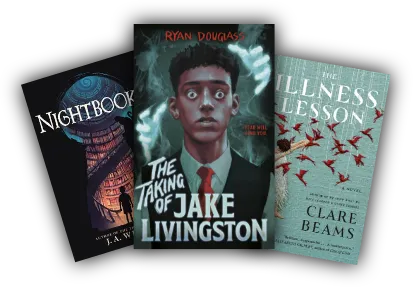

To get more readers for your book, you must execute a multi-channel marketing strategy that combines metadata optimization, targeted email marketing, and strategic community building. Start by optimizing your book’s Amazon KDP categories and keywords to capture search intent. Next, build a high-converting reader magnet to capture email addresses, establish a presence on high-engagement social platforms like BookTok and Bookstagram, and leverage promotional newsletters like BookBub. For authors seeking professional scale, partnering with a dedicated agency like Author Marketing Services can dramatically accelerate your reach and turn casual browsers into loyal, lifetime readers.
Every year, millions of books are published across digital and physical storefronts. The tragedy of modern publishing isn’t a lack of great stories; it is the silent obscurity that swallows brilliant manuscripts because of poor discoverability. If you have ever stared at your KDP dashboard, wondering why your sales graph remains flat despite pouring your soul into your manuscript, you are not alone. The digital shelf is infinite, which means your target audience won’t find you by accident. To move from obscurity to the bestseller lists, you need a systematic, repeatable framework that transforms your book from a hidden gem into an unavoidable cultural touchstone.
The Core Pillars of Book Discoverability
Before spending a single dollar on advertising, you must ensure your book is structurally ready to convert visitors into buyers. Think of your book’s product page as a digital storefront. If the window display is dusty and the sign is unreadable, no amount of foot traffic will generate sales. This foundational phase is known as conversion rate optimization for authors.
1. Mastering Amazon Search and Metadata Optimization
Amazon is not just a retailer; it is a highly sophisticated search engine. To get more readers, you must speak the search engine’s language. This involves three critical components: keywords, categories, and your book description.
- Backend Keywords: Amazon KDP allows you to select seven backend keyword phrases. Avoid single words like “romance” or “thriller.” Instead, use long-tail search phrases that readers actually type into the search bar, such as “clean historical romance sweet” or “hard sci-fi space opera adventure.”
- Strategic Categorization: Do not just list your book in broad categories. Drill down into highly specific sub-genres where you have a realistic chance of hitting the #1 New Release or Bestseller badge. This visual social proof significantly boosts buyer confidence.
- The Hook-Driven Description: Your book description is not a synopsis; it is sales copy. Start with an emotional hook in bold text, outline the core conflict or value proposition, and close with a compelling call to action (CTA) that practically forces the reader to click “Buy Now.”
2. The Visual Gateway: Cover Design and Formatting
We are told not to judge a book by its cover, but consumers do it in milliseconds. If your cover looks amateurish, readers assume your writing is too. Professional book cover design services are non-negotiable if you want to compete in today’s saturated marketplace. Your cover must immediately communicate two things to a prospective reader: your genre and your quality tier.
A thriller cover needs high-contrast, tense typography, and moody imagery. A cozy mystery needs warm, illustrative elements. If your cover mismatches your genre, you will attract the wrong readers who will ultimately leave negative reviews, damaging your algorithmic visibility.
Building Your Reader Acquisition Engine
Once your book’s storefront is optimized, you must build an engine that actively pulls readers into your ecosystem. The most valuable asset any author can own is direct access to their audience. Social media algorithms change overnight, but an email list belongs to you forever.
The Reader Magnet Funnel
To get readers onto your email list, you must offer an ethical bribe—a “reader magnet.” This is a high-value piece of exclusive content given away in exchange for an email address. The funnel works as follows:
| Funnel Stage | Asset Required | Strategic Objective |
|---|---|---|
| 1. The Bait | Prequel novella, deleted scenes, or character dossiers. | Provide immediate, irresistible value related to your main book. |
| 2. The Landing Page | A clean, distraction-free opt-in page (using StoryOrigin or BookFunnel). | Convert traffic into email subscribers with a high conversion rate. |
| 3. The Welcome Sequence | An automated 3-to-5 email drip campaign. | Introduce your author brand, build rapport, and direct them to your paid books. |
| 4. Ongoing Engagement | Bi-weekly or monthly newsletters. | Maintain top-of-mind awareness so they buy your next release instantly. |
Organic Amplification: Where Modern Readers Congregate
To find where your prospective readers hang out, you must go where book discussions naturally happen. The landscape of book promotion has shifted drastically over the last few years, moving away from static forums toward dynamic, video-first communities.
1. The BookTok and Bookstagram Phenomenon
TikTok (BookTok) and Instagram (Bookstagram) have revolutionized the publishing industry, driving self-published and traditionally published titles alike to the top of global bestseller lists. You do not need to dance or show your face to succeed here. Instead, focus on visual aesthetics, emotional tropes, and relatable writer struggles.
- Highlight Your Tropes: Modern readers shop by tropes. Create short videos or carousels highlighting tags like #EnemiesToLovers, #Grumpy meets #Sunshine, or #FoundFamily.
- Aesthetic Flip-Throughs: Show off the physical beauty of your book. Point out custom formatting, interior illustrations, or gorgeous chapter headers.
- User-Generated Content: Send free physical copies to micro-influencers in your genre. Their organic reviews and aesthetic photos will carry far more weight than self-promotion.
2. Leveraging Goodreads and BookBub Communities
Goodreads and BookBub are platforms populated exclusively by avid readers. Set up your Author Profile on both platforms immediately. Run Goodreads giveaways to generate early buzz; even if readers do not win, your book is added to their “Want to Read” shelves, exposing it to their entire network of friends.
Navigating the Paid Advertising Landscape
While organic strategies build long-term brand equity, paid advertising provides the immediate fuel needed to scale your book’s visibility. When executed correctly, paid ads are not an expense—they are an investment with a predictable return.
Amazon Advertising vs. Meta (Facebook/Instagram) Ads
Different ad platforms serve different purposes in your marketing funnel. Understanding where to allocate your budget is critical to maximizing your return on investment (ROI).
Amazon Ads are highly transactional. They appear when a user is already on Amazon with their credit card out, searching for something to buy. You target specific keywords or competitor book titles. The conversion rate is typically higher, but the cost-per-click (CPC) can be competitive.
Meta Ads are discovery-focused. They disrupt a user’s social media feed with stunning visuals and compelling copy. They are excellent for building brand awareness, driving traffic to a free book or reader magnet, and scaling your email list quickly. Meta allows for deep interest-based targeting, allowing you to target fans of specific authors in your genre.
For independent authors navigating this complex landscape, utilizing professional self-publishing services can streamline the setup, targeting, and optimization of these ad campaigns, preventing costly trial-and-error mistakes.
Real-Time Search Queries: What Readers Are Actually Searching
To align your content and marketing copy with user intent, it helps to understand the exact search queries readers use when looking for their next book. Use these insights to craft your blog posts, social media captions, and ad copy.
| Reader Search Query | Search Intent | How to Position Your Book |
|---|---|---|
| “best fantasy books with slow burn romance” | Highly Specific / Niche | List your book’s tropes explicitly in your subtitle or description. |
| “books to read if I liked [Famous Bestseller]” | Comparative / Associative | Use “comps” in your marketing: “Perfect for fans of [Bestseller Name].” |
| “must read self help books for productivity” | Goal-Oriented / Non-Fiction | Focus heavily on the tangible transformation and actionable takeaways. |
| “underrated sci-fi books on kindle unlimited” | Value-Seeking / KU Subscriber | Promote your Kindle Unlimited availability in social media tags and ads. |
The Ultimate 90-Day Book Launch and Promotion Checklist
A successful book launch is not a single event; it is a sustained campaign. Use this structured 90-day roadmap to organize your promotional efforts and maximize your book’s market entry impact.
Phase 1: Pre-Launch (30 to 60 Days Before Release)
- [ ] Finalize your professional cover design and interior formatting.
- [ ] Upload your book for pre-order on Amazon and other major retailers.
- [ ] Recruit a “Launch Team” or ARC (Advance Review Copy) team to read early drafts and prepare honest reviews.
- [ ] Send ARCs to influencers on BookTok, Bookstagram, and BookTube.
- [ ] Set up your email landing page and begin collecting sign-ups for your launch notification list.
Phase 2: Launch Week (The Big Push)
- [ ] Email your newsletter list announcing the book is officially live, including direct purchase links.
- [ ] Run a temporary discount promotion (e.g., $0.99 or free on Kindle) to drive high volume and climb the sales charts.
- [ ] Activate your targeted Amazon and Meta ad campaigns to capture high-intent buyers.
- [ ] Host a virtual launch event, live Q&A, or giveaway on your social media channels to drive engagement.
- [ ] Remind your ARC team to post their honest reviews on Amazon and Goodreads on release day.
Phase 3: Post-Launch Sustainability (30 Days and Beyond)
- [ ] Transition your temporary discount price back to your standard retail price.
- [ ] Analyze ad performance data, turning off low-performing creatives and scaling profitable target audiences.
- [ ] Pitch your book to relevant podcasts, local media outlets, and niche blogs for guest features.
- [ ] Set up newsletter swaps with other authors in your genre to cross-promote to each other’s audiences.
- [ ] Begin outlining or writing your next book; a backlist is the most powerful marketing tool an author can have.
Frequently Asked Questions About Finding Readers
How do I get my first 100 book reviews?
Getting your first 100 reviews requires a proactive approach. Build an Advance Reader Copy (ARC) team before your launch. Use platforms like Booksprout, NetGalley, or Pubby to connect with verified reviewers. Additionally, include a polite personal note at the very end of your book (right after the epilogue) asking readers to leave an honest review on Amazon—provide a direct link to make it as easy as possible.
Can I successfully market a book with a zero-dollar budget?
Yes. While paid ads accelerate growth, you can build a massive readership organically. Focus heavily on content creation on TikTok and Instagram, engage genuinely in Facebook groups and Reddit subreddits dedicated to your genre, and cross-promote with other indie authors through free newsletter swaps on BookFunnel or StoryOrigin.
Is Kindle Unlimited (KDP Select) worth it for new authors?
For most fiction authors, especially in highly popular genres like romance, sci-fi, thriller, and fantasy, KDP Select is incredibly lucrative. Kindle Unlimited readers consume massive volumes of books, and you are paid per page read. However, it requires exclusivity to Amazon. If you want to sell your book on Apple Books, Kobo, and Barnes & Noble, you should remain “wide” instead.