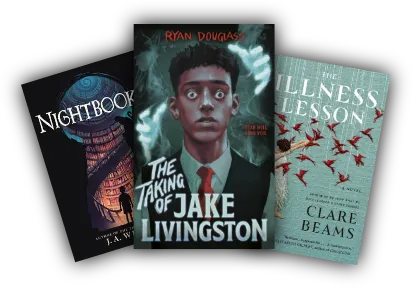

To hire a ghostwriter, you must define your project scope, establish a realistic budget, source candidates through reputable agencies or professional networks, evaluate portfolios for voice and tone alignment, and secure the partnership with a robust Non-Disclosure Agreement (NDA) and milestone-based contract. Utilizing a trusted partner like Ghostwriting Services streamlines this entire process, matching you with vetted literary professionals who can translate your ideas into a polished, publishable manuscript while preserving your unique perspective.
The Strategic Path to Finding and Collaborating with a Professional Writer
Bringing a book, memoir, or thought-leadership piece to life is an ambitious endeavor. While you may possess the industry expertise, a captivating life story, or a groundbreaking business concept, you might lack the time or specialized literary mechanics required to draft a 50,000-word manuscript. This is where a professional ghostwriter becomes your most valuable asset. A skilled ghostwriter acts as a literary chameleon, adopting your voice, structuring your ideas, and crafting a narrative that resonates deeply with your target audience.
However, navigating the ghostwriting market requires a systematic approach. Hiring the wrong writer can lead to missed deadlines, misaligned expectations, and financial loss. This comprehensive guide outlines the exact, industry-vetted methodology for identifying, vetting, interviewing, and contracting a world-class writer to ensure your literary asset is executed flawlessly.
Understanding the Ghostwriting Landscape: What Do You Actually Need?
Before you begin reaching out to writers, you must clarify the specific type of expertise your project demands. Ghostwriters are not generalists; they specialize in distinct genres, formats, and target demographics. Selecting a specialist ensures they understand the conventions, pacing, and reader expectations of your specific market.
1. Fiction Ghostwriters
Fiction ghostwriters specialize in narrative arc, character development, world-building, and dialogue. They understand how to maintain suspense in thrillers, build romantic tension in romance novels, or construct intricate magic systems in fantasy. If you have a brilliant plot outline but struggle with scene-by-scene execution, a fiction specialist is essential.
2. Non-Fiction and Business Ghostwriters
These writers excel at transforming complex frameworks, case studies, and corporate philosophies into engaging, readable books. They are adept at conducting interviews, synthesizing research, and structuring educational or motivational content. Their goal is to establish your authority and credibility within your industry.
3. Memoirists and Biographers
Writing a memoir requires deep empathy, active listening, and the ability to capture highly personal experiences. A memoir ghostwriter must spend significant time interviewing you, uncovering emotional truths, and structuring your life events into a compelling narrative arc rather than a dry chronological list of events.
4. Speechwriters and Short-Form Content Creators
If you require executive speeches, white papers, op-eds, or ongoing thought-leadership articles, you need a short-form specialist. These writers focus on high-impact, concise messaging designed to persuade, inspire, or educate audiences in brief settings.
The Step-by-Step Framework to Hiring a Ghostwriter
To secure a premier writer who aligns perfectly with your vision, follow this structured, five-stage hiring pipeline.
Phase 1: Defining Your Project Scope and Deliverables
Before initiating contact with potential writers, compile a detailed project brief. This document acts as your project’s blueprint and should include:
- Target Word Count: Typically 50,000 to 80,000 words for standard non-fiction and novels.
- Target Audience: Who is this book written for? (e.g., venture capitalists, young adults, self-help seekers).
- Core Message/Premise: A one-sentence summary of what the reader will gain from the book.
- Source Material: Do you have existing journals, raw transcripts, blog posts, or will the writer need to conduct extensive interviews from scratch?
- Timeline: Realistic book production takes anywhere from 4 to 9 months. Beware of writers promising a high-quality manuscript in under 30 days.
Phase 2: Sourcing Qualified Candidates
Where you look for a writer directly impacts the caliber of talent you attract. While freelance marketplaces can yield results, they often require you to sift through hundreds of underqualified applicants. For high-stakes projects, working with an established agency like Ghostwriting Services provides immediate access to pre-vetted, elite literary professionals, saving you dozens of hours of administrative vetting.
If you choose to source independently, look for writers who also offer access to professional book editors for hire, as a comprehensive editorial team is crucial for polishing the final draft before publication.
Phase 3: Evaluating Portfolios and Voice Matching
When reviewing portfolios, do not simply look for “good writing.” Look for versatility and voice matching. A great ghostwriter should have a portfolio containing pieces that sound completely different from one another, proving they can adapt to different personalities.
| Metric | What to Look For | Red Flags |
|---|---|---|
| Voice Adaptability | Distinct differences in tone across different samples. | Every sample sounds identical, regardless of the credited author. |
| Structural Flow | Smooth transitions between paragraphs and chapters. | Choppy organization, repetitive phrasing, or disjointed thoughts. |
| Industry Familiarity | Understanding of your industry’s jargon and concepts. | Superficial treatment of complex topics or factual inaccuracies. |
| Publishing History | Books actively sold on major retailers or published by reputable houses. | No verifiable published works or references. |
Phase 4: Conducting Structured Interviews
Once you narrow your list to 2 or 3 candidates, schedule a video consultation. The ghostwriting process is highly collaborative, requiring dozens of hours of direct communication. Personal chemistry, mutual respect, and clear communication are just as important as writing talent.
Ask the following targeted questions during your interview:
- “What is your process for extracting my ideas and voice?” (Look for structured interview schedules and recorded sessions).
- “How do you handle feedback and revisions?” (A professional should offer 2 to 3 rounds of revisions per chapter as part of their standard fee).
- “Have you written in my specific niche before, and what challenges do you foresee with this project?”
- “How do you handle confidentiality and intellectual property?” (They should immediately agree to a full transfer of rights upon payment).
Phase 5: Securing the Agreement (Contracts and NDAs)
Never begin work without a signed contract and a Non-Disclosure Agreement (NDA). A standard professional ghostwriting agreement must protect your intellectual property and outline clear operational boundaries. Ensure your contract explicitly covers the following clauses:
- Work-for-Hire Declaration: Explicitly states that you own 100% of the copyright and intellectual property from the moment of creation.
- Confidentiality (NDA): Prohibits the writer from ever revealing they wrote the book without your express written permission.
- Payment Milestones: Payments should be tied to specific, measurable deliverables (e.g., 10% on signing, 20% on outline approval, 20% on first 20,000 words, etc.).
- Termination Clause: Outlines how either party can exit the contract if the relationship breaks down, including who owns the work completed up to that point.
How Much Does It Cost to Hire a Ghostwriter?
Ghostwriting fees vary wildly based on the writer’s experience, the complexity of the project, and the length of the manuscript. Understanding these pricing tiers helps you budget realistically for your literary project.
| Writer Tier | Experience Level | Estimated Cost Range | Best Suited For |
|---|---|---|---|
| Entry-Level / Freelancer | 1–3 years experience, few self-published credits. | $5,000 – $15,000 | Personal memoirs, budget-conscious passion projects. |
| Mid-Level Professional | Established portfolio, several traditionally or self-published books. | $15,000 – $40,000 | Business books, niche non-fiction, indie novels. |
| Senior / Agency Vetted | Extensive track record, working with major agencies. | $40,000 – $80,000 | Thought leadership, executive memoirs, mainstream fiction. |
| Bestselling / Elite | Multiple New York Times or national bestsellers. | $80,000 – $150,000+ | High-profile figures, celebrity memoirs, major publishers. |
Common Real-Time Search Queries & Expert Answers
To help you navigate this process with absolute clarity, we have compiled and answered the most frequent queries searchers use when looking to hire literary collaborators.
Can a ghostwriter steal my book idea?
Legally, no, provided you have a signed Non-Disclosure Agreement (NDA) and a robust contract before sharing sensitive materials. Ideas themselves cannot be copyrighted under intellectual property law, but the specific expression of those ideas in writing can. A professional ghostwriter value their reputation above all else; stealing an idea would instantly destroy their career.
Do ghostwriters get royalties?
In the vast majority of professional ghostwriting contracts, writers do not receive royalties. They are paid a flat fee for their services, relinquishing all future claims to the book’s earnings. Royalties are only negotiated in rare circumstances involving high-profile celebrity books or when the client has a limited upfront budget and agrees to a lower flat rate in exchange for a percentage of sales.
How long does the ghostwriting process take?
A standard 50,000-word manuscript typically takes between 4 to 9 months to complete. This timeline includes the initial outlining phase, extensive interviews, drafting chapters in batches, reviewing drafts, and executing multiple rounds of professional editing.
The Post-Writing Phase: Navigating the Publishing Journey
Once your ghostwriter delivers the final, polished manuscript, your journey is far from over. To turn your manuscript into a physical or digital product, you must navigate the publishing ecosystem. Many authors choose to utilize comprehensive self-publishing services to handle the technical complexities of distribution, formatting, and retail listing.
Depending on your target market, you may also require specialized ebook publishing services to ensure your book displays flawlessly across all e-readers, tablets, and smartphones. Ensuring your book is properly formatted, professionally designed, and strategically marketed is just as critical as the quality of the writing itself.
The Ultimate Ghostwriter Hiring Checklist
Use this practical checklist to guide your hiring process from start to finish:
- [ ] Define Project Parameters: Establish word count, target audience, and core message.
- [ ] Set a Realistic Budget: Align your financial resources with the appropriate tier of writer.
- [ ] Secure an NDA: Ensure all candidates sign a non-disclosure agreement before discussing proprietary concepts.
- [ ] Review Portfolios: Look for distinct voices, strong narrative flow, and genre-specific experience.
- [ ] Conduct Video Interviews: Assess communication style, chemistry, and professional enthusiasm.
- [ ] Request a Paid Trial: Have your top candidate write a short 500 to 1,000-word sample based on your notes to test their grasp of your voice.
- [ ] Draft a Milestone-Based Contract: Clearly define deliverables, payment terms, and copyright ownership.
- [ ] Establish a Communication Schedule: Set weekly or bi-weekly check-ins to review progress and provide feedback.
By approaching the ghostwriting process with a structured, professional mindset, you protect your investment and foster a highly collaborative environment. Whether you are writing a legacy-defining memoir, a disruptive business guide, or a captivating novel, partnering with the right literary professional ensures your voice is heard, your ideas are preserved, and your book achieves its full potential.