
To increase book sales, authors must implement a multi-channel marketing strategy that combines book metadata optimization, targeted Amazon and social media advertising, email newsletter marketing, and a robust book review generation system. By aligning your book’s cover design, description, and category selection with the precise search intent of your target audience, you can dramatically improve your conversion rates and boost your book’s visibility on major retailer algorithms.For self-published and traditionally published authors alike, the question of how to increase book sales is often met with overwhelming, fragmented advice. The truth is that sustainable book sales are not the result of a single viral post; they are the product of a structured, conversion-oriented marketing funnel. Whether you write fiction or non-fiction, mastering the mechanics of modern book distribution and promotion is essential to turning your manuscript into a profitable asset.
The Core Pillars of Modern Book Marketing
Before spending a single dollar on paid advertisements, your book must be positioned to sell. If your packaging is weak, driving traffic to your sales page will only result in wasted ad spend. Let us break down the foundational elements that dictate your conversion rate.
1. High-Converting Visual Assets
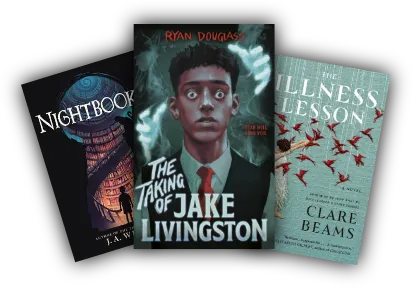
Your book cover is the single most important marketing tool at your disposal. It must instantly communicate your genre, tone, and quality level to potential readers. Investing in professional book cover design services ensures your book stands out in a crowded marketplace and looks indistinguishable from traditional big-five publications.
2. Rigorous Editorial Standards
A beautiful cover will get readers to click, but poor writing or formatting will lead to negative reviews, which instantly kill sales momentum. Before publishing, working with professional book editors for hire ensures your manuscript is polished, structurally sound, and free of typos that disrupt the reading experience.
3. Metadata Optimization (SEO for Retailers)
To get discovered organically on Amazon, Apple Books, or Kobo, your metadata must be flawless. This includes your title, subtitle, back-cover description, backend keywords, and category selections. Use high-intent, long-tail search terms in your book description to help search engines and store algorithms index your book correctly.
| Metadata Element | Optimization Strategy | Impact on Sales |
|---|---|---|
| Include primary genre keywords naturally (especially for non-fiction). | High (Directly influences search relevancy). | |
| Write a compelling hook, use HTML formatting, and include emotional triggers. | Critical (Converts browsers into buyers). | |
| Use phrases real readers search for, not single words. Avoid repeating the title. | High (Improves organic search visibility). | |
| Select niche categories where you can easily rank in the Top 10. | Medium (Boosts best-seller badge potential). |
Real-Time Google Search Queries: What Readers and Authors Are Looking For
To understand how to position your book, you must understand the search landscape. Authors frequently search for actionable solutions to specific sales plateaus, while readers search for their next great read. Here are the most common search patterns mapped to strategic actions:
- “How to promote a self-published book on a budget”: Solved by leveraging free promo days, newsletter swaps, and organic social media communities.
- “Why is my book not selling on Amazon”: Usually points to a mismatch between cover design and genre expectations, or poor keyword optimization.
- “Best book promotion sites for Kindle”: Solved by scheduling campaigns with curated newsletters like BookBub, Freebooksy, and Bargain Booksy.
- “How to get more book reviews fast”: Solved by building an Advance Review Team (ARC) and utilizing platforms like NetGalley or Pubby.
Organic Marketing Strategies to Build Long-Term Momentum
Paid ads are excellent for scaling, but organic marketing forms the bedrock of your author brand. These strategies require time and consistency but yield compounding returns over your writing career.
Building and Nurturing an Email Newsletter
Your email list is your most valuable asset. Unlike social media algorithms, you own your email list. You can reach your readers directly whenever you launch a new book or run a promotion.
- Create a Reader Magnet: Offer a free novella, bonus chapters, or a character cheat sheet in exchange for their email address.
- Set Up an Automated Welcome Sequence: Introduce yourself, share your writing journey, and deliver the freebie automatically.
- Maintain Consistent Communication: Send monthly or bi-weekly updates. Do not just sell; share behind-the-scenes content, book recommendations, and personal updates to build a genuine connection.
Leveraging Newsletter Swaps and Group Promos
Collaborate with other authors in your genre. By cross-promoting each other’s books in your respective newsletters, you tap into highly targeted, pre-qualified audiences. Platforms like StoryOrigin and BookFunnel make organizing these swaps and group promotions seamless.
Paid Advertising Channels: Scaling Your Sales Volume
Once your book page is optimized and converting organic traffic well, it is time to scale using paid advertising. Paid ads allow you to target readers who are actively looking for books exactly like yours.
Amazon Advertising (AMS)
Amazon Ads place your book directly in front of buyers who are already on the Amazon platform. You can target specific keywords, competitor author names, and individual book ASINs.
- Sponsored Products: These ads appear in search results and on product detail pages of similar books. They are the most effective ad type for driving direct sales.
- Product Targeting: Target the detail pages of best-selling books in your sub-genre to capture readers looking for similar reads.
- Keyword Targeting: Bid on high-intent search terms (e.g., “cozy mystery series,” “space opera books”).
Meta Ads (Facebook & Instagram)
Facebook ads are highly visual and offer unparalleled demographic and interest-based targeting. They are ideal for building your email list, driving traffic to a discounted book, or launching a new release.
- Targeting Interests: Target fans of major authors in your genre (e.g., targeting “Stephen King” if you write horror).
- Lookalike Audiences: Upload your email list to Facebook and create a Lookalike Audience to find users with similar online behaviors.
- Creative Variety: Test different ad creatives, such as static 3D book mockups, character art, and short video teasers.
The Power of Professional Book Marketing Services
Navigating the complex landscape of digital ads, metadata, and launch sequences can be overwhelming for authors who want to focus on what they do best: writing. Partnering with a dedicated agency like Author Marketing Services can streamline this process. Professional marketers have access to advanced analytical tools, historical campaign data, and industry connections that can significantly shorten your path to profitability and elevate your author brand.
A Step-by-Step Book Launch Blueprint
A successful book launch creates an initial spike in sales that signals the retailer algorithms to begin recommending your book to organic browsers. Here is a timeline to maximize your launch impact:
- 3 Months Before Launch: Finalize your manuscript, secure professional editing, and finalize your book cover. Set up your book for pre-order on major retailers.
- 2 Months Before Launch: Build your Advance Reader Copy (ARC) team. Send digital copies of your book to reviewers via BookFunnel or NetGalley to secure early reviews.
- 1 Month Before Launch: Pitch your book to prominent book bloggers, podcasters, and influencers in your genre. Schedule promotional newsletters (e.g., BookBub, Robin Reads).
- Launch Week: Run targeted Amazon and Facebook ads. Send an email blast to your newsletter list. Encourage your ARC team to post their reviews on Amazon and Goodreads.
- Post-Launch (Weeks 2-4): Analyze your ad performance, adjust bids, swap out underperforming keywords, and continue engaging with your new readers.
Frequently Asked Questions on Increasing Book Sales
How many reviews do I need before I start running paid ads?
While you can run ads at any time, it is highly recommended to have at least 5 to 10 honest reviews with an average rating of 4 stars or higher. Reviews provide social proof, which drastically improves your ad conversion rate and lowers your cost-per-click.
Is Kindle Unlimited (KDP Select) worth it for new authors?
For fiction authors, particularly in high-volume genres like Romance, Sci-Fi, Fantasy, and Thrillers, KDP Select is often highly lucrative. It allows readers to read your book for “free” through their Kindle Unlimited subscription, while you get paid per page read. However, it requires exclusivity to Amazon. If you want to distribute your book widely (Kobo, Apple Books, Barnes & Noble), you should publish “wide” instead.
How do I calculate my book marketing return on investment (ROI)?
To calculate your ROI, subtract your total marketing spend from your total book royalties, then divide by your total marketing spend. Multiply by 100 to get a percentage. Keep in mind that a reader who buys Book 1 of a series may go on to buy Books 2, 3, and 4, meaning the true lifetime value (LTV) of a acquired reader is often much higher than the immediate royalty of a single sale.