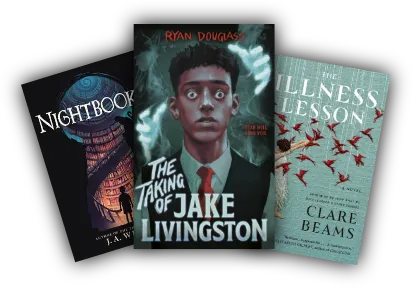

Imagine staring at your dashboard, watching your book’s sales rank stall while thousands of potential readers scroll past digital content every second. The difference between a forgotten manuscript and a bestseller often lies in a single, well-executed digital presence. To promote your book on social media successfully, you must build an active author platform using a multi-channel strategy centered on TikTok (BookTok), Instagram (Bookstagram), and Facebook. This involves creating engaging visual content, leveraging short-form video reels, utilizing strategic hashtags, running targeted ads, and engaging directly with your target audience. By offering value rather than constant sales pitches, authors can build a loyal community that drives organic book sales and long-term reader engagement.
The modern publishing landscape has shifted. Traditional marketing channels are no longer the exclusive gatekeepers of literary success. Today, self-published and traditionally published authors alike have direct access to global audiences. However, simply posting “Buy my book” on your personal profiles will not yield results. Social media book marketing requires a deep understanding of algorithmic signals, community dynamics, and content funnel optimization. This guide provides a comprehensive roadmap to transforming your social media channels into a highly efficient book-selling engine.
The Core Framework of Social Media Book Marketing
Before uploading your first post, you must establish a strategic foundation. Many authors fail because they treat social media as a digital billboard rather than a two-way conversation. To build a sustainable author platform, you need to understand the concept of value-first marketing.
Every piece of content you publish should do at least one of three things: entertain, educate, or inspire. When you balance these three pillars, your promotional posts (the “asks”) are received with enthusiasm rather than annoyance. This balance is often referred to as the 80/20 rule: 80% of your content should provide pure value to your audience, while only 20% should directly promote your book.
Your strategy must also align with your target audience. A young adult fantasy novel requires a completely different digital footprint than a historical biography or a self-help guide. Understanding where your readers gather, how they communicate, and what content formats they prefer is the first step toward building topical authority in your niche.
Platform-by-Platform Playbook: Where Your Readers Hang Out
Not all social media platforms are created equal. Each network has its own culture, demographic makeup, and algorithmic preferences. To maximize your return on investment, focus your energy on the platforms that align best with your book’s genre.
TikTok (BookTok): The Viral Discovery Engine
BookTok has fundamentally changed the publishing industry. It is currently the most powerful organic discovery engine for fiction writers, particularly in genres like young adult, fantasy, romance, and thriller. The TikTok algorithm prioritizes watch time and engagement, meaning a creative video from an unknown author can easily reach millions of views overnight.
- Emphasize Emotion: BookTok users do not care about plot summaries; they care about how your book makes them feel. Create videos highlighting the emotional tropes in your story (e.g., “enemies-to-lovers,” “found family,” “there was only one bed”).
- Use Trending Audio: Pair your book aesthetics, character art, or writing tips with trending sounds to ride the wave of the algorithm.
- Be Authentic: High-production value is less important than raw, authentic connection. Speak directly to the camera about your writing journey, your struggles, and your inspirations.
Instagram (Bookstagram): Visual Storytelling and Aesthetics
Bookstagram is a highly visual, deeply passionate community of bibliophiles. It is the ideal platform for showcasing your book’s physical beauty, sharing quote graphics, and building a cohesive brand aesthetic. Success here relies on high-quality imagery and consistent engagement with other accounts.
A highly clickable aesthetic starts with a stunning visual asset. Working with professional book cover design services ensures your book stops the scroll on Instagram, making it much easier to attract organic shares and influencer partnerships.
- Leverage Reels: Instagram heavily favors video content. Turn your static book quotes into dynamic, short-form video reels with atmospheric background music.
- Engage with Bookstagrammers: Do not just post and ghost. Follow popular book reviewers, comment on their posts, and offer them free physical or digital copies of your book in exchange for honest reviews.
- Utilize Carousel Posts: Use carousels to share step-by-step writing tips, character introductions, or behind-the-scenes looks at your creative process.
Facebook: Community Building and Targeted Advertising
While younger demographics have migrated to other platforms, Facebook remains an incredibly powerful tool for reaching older, highly dedicated readerships, particularly in non-fiction, historical fiction, mystery, and memoirs. It is also the premier platform for hosting interactive communities and running paid advertising campaigns.
- Create a Facebook Group: Build a private sanctuary for your super-fans. Use this space to share exclusive chapters, host live Q&As, and run beta-reading groups.
- Master Facebook Ads: Facebook’s targeting capabilities allow you to show your book directly to users who read specific authors, follow certain genres, or buy books online.
X (Formerly Twitter) and Threads: Networking and Real-Time Conversations
These text-first platforms are excellent for real-time networking with other industry professionals, including literary agents, publishers, bloggers, and fellow authors. While they may not drive as many direct sales as TikTok or Instagram, they are invaluable for building your professional network.
- Participate in Pitch Events: Join community events like #PitMad or genre-specific writing hashtags to get your work in front of industry professionals.
- Share Bite-Sized Wisdom: Post quick writing tips, humorous observations about the creative process, and short snippets of dialogue from your current work-in-progress.
Step-by-Step Strategy to Launch Your Book on Social Media
A successful book launch does not happen by accident. It requires a carefully coordinated timeline that builds anticipation over several months. Before diving into the launch cycle, make sure your manuscript is polished and professional. Working with expert book editors for hire ensures your book stands up to the scrutiny of the reviewers and influencers you will be pitching on social media.
The following checklist outlines a highly effective 90-day social media launch strategy designed to build momentum and drive launch-day sales.
| Timeline | Key Social Media Objectives | Actionable Content Ideas |
|---|---|---|
| 90 Days Out | Build early awareness & collect email sign-ups. | Share cover reveal teasers, behind-the-scenes writing updates, and character mood boards. |
| 60 Days Out | Generate buzz & secure early reviews. | Distribute digital ARCs (Advance Reader Copies) to influencers, host a cover reveal event, and post character aesthetic videos. |
| 30 Days Out | Drive pre-orders & build urgency. | Post countdown graphics, share snippets/excerpts, run pre-order incentive campaigns, and host live Q&As. |
| Launch Week | Maximize sales & celebrate the release. | Host a launch-day live stream, post user-generated content from early readers, and run targeted paid ads. |
| Post-Launch | Maintain momentum & gather reviews. | Share review highlights, run giveaway contests, and encourage readers to post their own photos of your book. |
Content Pillars for Authors: What to Post When You Run Out of Ideas
The most common hurdle authors face is running out of content ideas. To maintain a consistent posting schedule without burning out, establish four or five core content pillars. These are broad categories that you rotate through to keep your feed fresh and engaging.
1. Behind-the-Scenes (The Creative Journey)
Readers love to see how the magic happens. Show them your workspace, your messy first drafts, your research notes, or your plotting boards. Share the highs and lows of your writing routine. This vulnerability builds a deep, personal connection between you and your audience.
2. Character and World Aesthetics
Bring your book to life visually. Create aesthetic collages, character mood boards, or short video edits that represent the atmosphere of your story. If you write non-fiction, share infographics, key data points, or inspirational quotes that summarize your core arguments.
3. Reader Interaction and Community Building
Make your audience feel valued by involving them in your process. Ask them to vote on character names, choose between two potential cover designs, or share their favorite reading snacks. Run interactive polls, answer reader questions in video format, and host live discussions.
4. Educational and Value-Driven Content
Position yourself as an authority in your space. If you write non-fiction, share actionable tips related to your area of expertise. If you write fiction, share your favorite writing tools, advice on self-publishing, or book recommendations within your genre. This builds trust and positions you as a helpful resource within the literary community.
Optimizing Your Profiles for Maximum Conversion
Your social media posts are designed to attract attention, but your profile bio is where you convert that attention into a sale or an email subscriber. Think of your profile page as a landing page. It must be clear, professional, and optimized for conversion.
- The Profile Picture: Use a high-quality, professional headshot or a clean version of your author logo. Consistency across all platforms is key to building a recognizable brand.
- The Bio: Clearly state who you are, what you write, and why people should care. Use engaging, genre-appropriate language. For example: “USA Today Bestselling Author of dark academic fantasies. Lover of coffee, cats, and morally grey characters.”
- The Call to Action (CTA): Always include a single, clear call to action in your bio. Use a link-in-bio tool (like Linktree or Lnk.Bio) to direct users to your website, your latest book on Amazon, or your email newsletter sign-up page.
Real-Time Search Queries & Reader Intent Insights
To ensure your content aligns with what readers are actively searching for online, you must understand their search intent. By targeting real-time queries, you can tailor your social media posts to answer the exact questions potential readers are asking.
| Real-Time Search Query | User Intent Behind the Search | How to Address It on Social Media |
|---|---|---|
| “How to find book reviewers on Instagram” | Authors looking to pitch influencers. | Create a video or carousel post listing your top tips for writing a polite, effective pitch email to Bookstagrammers. |
| “Best hashtags for BookTok romance” | Writers wanting to increase their organic reach. | Share a curated list of high-performing, niche-specific hashtags that romance authors can copy and paste. |
| “How do self-published authors make money” | Aspiring writers looking for business strategies. | Post a transparent breakdown of your royalty structures, book sales data, or the financial realities of self-publishing. |
| “What to post on social media before a book launch” | Authors seeking inspiration for their launch timeline. | Share a downloadable checklist or a video walkthrough of your personal pre-launch social media strategy. |
Leveraging Professional Support for Maximum Impact
Building a multi-channel social media presence while writing your next book can feel overwhelming. Many successful authors choose to delegate their promotional efforts so they can focus on what they do best: writing. Partnering with a dedicated agency like Author Marketing Services can elevate your brand, streamline your marketing campaigns, and ensure your book gets the professional visibility it deserves.
Whether you need help managing your social media accounts, running targeted advertising campaigns, or designing a cohesive brand aesthetic, professional support can make the difference between a quiet release and a highly successful, profitable book launch.
Frequently Asked Questions
Do I need to be on every social media platform to promote my book?
No. In fact, trying to manage too many platforms usually leads to burnout and poor-quality content. It is far better to master one or two platforms where your target audience is most active than to maintain a weak, inconsistent presence across five different networks.
How often should I post about my book without annoying my followers?
Focus on the 80/20 rule. Eighty percent of your content should be educational, entertaining, or inspiring, while only twenty percent should be promotional. If you post valuable, engaging content consistently, your audience will not mind when you occasionally ask them to buy your book.
Can I promote my book on social media for free?
Yes. Organic reach on platforms like TikTok (BookTok) and Instagram (Bookstagram) is incredibly powerful. By consistently creating high-quality, engaging short-form videos and building relationships with other creators, you can drive significant book sales without spending a dime on advertising.
How do I get Bookstagrammers and BookTokers to review my book?
Reach out to them politely and professionally. Research their profiles to ensure they read and review your specific genre. Offer them a free copy of your book (physical or digital) in exchange for an honest review, and respect their time and guidelines. Personalize your pitches rather than sending mass, copy-pasted messages.