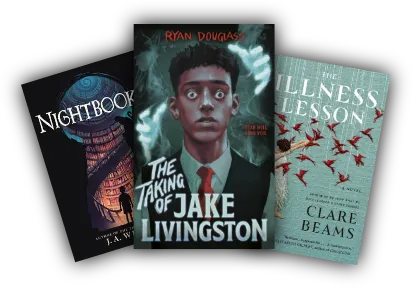

Writing a book is a monumental achievement, but getting it into the hands of readers requires a completely different skill set. To promote your book online successfully, you must build a digital marketing ecosystem that combines author branding, search engine visibility, targeted paid advertising, and active community engagement. By optimizing your book’s metadata on Amazon, building an email subscriber list, leveraging social media platforms like BookTok and Bookstagram, and running structured promotional campaigns, you can turn a quiet book launch into a sustainable, long-term sales engine.
The Digital Landscape of Modern Book Publishing
Every single day, thousands of new titles are uploaded to digital storefronts. Standing out in this crowded marketplace requires more than just uploading your manuscript and hoping for the best. Modern book promotion is an active, ongoing process that blends art and data science. To successfully market your book online, you must understand how readers discover new content, how algorithms rank books, and where your specific target audience hangs out online.
Successful author-publishers view their book not just as a creative project, but as a product. This means your marketing journey begins long before your publication date. Whether you are pursuing traditional publishing or navigating the independent route, establishing a robust online presence is the single most critical factor in determining your book’s commercial success.
Phase 1: Establishing Your Digital Author Headquarters
Before you spend a single dollar on paid advertisements or pitch yourself to podcasters, you must establish a centralized online hub. This is where casual discoverers turn into loyal fans and newsletter subscribers.
Your Professional Author Website
Your website is the only piece of digital real estate you fully own and control. Social media platforms change their algorithms overnight, but your website remains your permanent digital home. Your website must include:
- A Clear Landing Page: Dedicated exclusively to your latest book, featuring high-resolution cover art, a compelling book blurb, and direct purchase links to major retailers.
- An “About the Author” Page: A professional biography that establishes your authority, credentials, and personal story.
- An Email Sign-Up Form: Strategically placed to capture visitor details by offering a “lead magnet” (e.g., a free prequel novella, deleted scenes, or a downloadable resource guide).
- A Media Kit: High-resolution author photos, book cover images, press releases, and sample interview questions for journalists and bloggers.
The Irresistible Lead Magnet
An email list is an author’s most powerful marketing asset. To convince readers to give you their email address, you must offer something of high value in exchange. This is known as a lead magnet.
| Fiction Lead Magnets | Non-Fiction Lead Magnets |
|---|---|
| Free prequel novella or short story set in your book’s universe | Printable checklists, templates, or step-by-step action plans |
| Character dossiers, map illustrations, or world-building lore | An exclusive audio training module or video masterclass |
| The first 3 chapters of your upcoming book as a sneak peek | A resource directory of tools or recommended reading list |
Phase 2: Optimizing Your Book’s Digital Metadata
Online retailers like Amazon, Apple Books, and Barnes & Noble are essentially search engines. To ensure your book appears when readers search for keywords related to your genre, you must optimize your book’s metadata. If your metadata is weak, even the most expensive marketing campaigns will fail to convert clicks into sales.
The Power of Professional Presentation
Your book cover is the very first thing a potential reader sees. If it looks amateurish, readers will assume the writing inside is amateurish as well. Investing in professional book cover design services is non-negotiable if you want to compete in today’s market. Your cover must instantly communicate your book’s genre, tone, and quality level.
Similarly, your manuscript must be polished to perfection. Before publication, ensure you work with experienced book editors for hire to eliminate typos, structural issues, and pacing bottlenecks that could lead to negative reviews.
Mastering Amazon SEO
To maximize organic discoverability on Amazon, focus on these three metadata pillars:
- Keywords: Utilize long-tail search terms that readers actually type into the search bar. Instead of just “thriller,” use specific phrases like “psychological thriller with a twist ending” or “domestic suspense novel.”
- Categories: Browse deeply into Amazon’s sub-categories to find niche markets where your book can easily climb to the “Bestseller” list, boosting its visibility.
- Book Description: Write a persuasive, copywriting-focused description. Use bold headings, bullet points, and a strong call-to-action (CTA) at the end. Think of your book description as a sales letter rather than a simple summary.
Phase 3: Organic Content Marketing & Serialized Platforms
Content marketing is the practice of creating valuable, free content to attract and engage a specific audience. For authors, this means writing blog posts, hosting podcasts, or even sharing serialized fiction online.
The Rise of Serialized Fiction
If you write episodic fiction, romance, fantasy, or sci-fi, serialized platforms can help you build an incredibly passionate fanbase before you even publish a full-length book. Exploring Kindle Vella publishing allows you to release your story chapter-by-chapter, engaging readers with short, bite-sized episodes and monetization opportunities directly through Amazon’s ecosystem.
Blogging and Guest Posting
For non-fiction authors, blogging is an exceptional way to demonstrate your expertise. Write deep-dive articles addressing the pain points of your target audience. Additionally, pitch guest articles to established blogs in your niche to tap into their existing audiences and build high-quality backlinks to your author website.
Phase 4: Paid Advertising Strategies for Authors
While organic reach is fantastic, paid advertising allows you to scale your book sales systematically. When executed correctly, paid ads provide a predictable stream of new readers.
Amazon Ads vs. Meta (Facebook/Instagram) Ads
These two advertising giants operate on different principles and are suited for different stages of your marketing funnel.
| Ad Platform | Targeting Method | Best Used For | Pros |
|---|---|---|---|
| Amazon Ads | Search intent, competitor titles, specific keywords | Direct, high-intent conversions | Reaches readers who already have their credit cards out to buy books. |
| Meta Ads | Demographics, interests, behaviors, lookalike audiences | Brand awareness, list building, visual storytelling | Highly visual, excellent for building a cold audience and driving newsletter sign-ups. |
Pro Tip: Calculating Your Read-Through Rate
If you write a book series, do not judge your ad success solely on the sales of Book 1. Calculate your “read-through rate”—the percentage of readers who finish Book 1 and go on to buy Book 2, Book 3, and so on. Understanding your total customer lifetime value (LTV) allows you to comfortably spend more on advertising Book 1, knowing you will turn a profit on subsequent titles.
Phase 5: Leveraging Social Media Communities
Social media is not a megaphone for broadcasting sales pitches; it is a digital cocktail party designed for building genuine relationships. Focus on the platforms where your specific target audience is most active.
The BookTok and Bookstagram Phenomenon
Platforms like TikTok (BookTok) and Instagram (Bookstagram) have completely revolutionized how books are discovered. To succeed on these visual platforms:
- Showcase Aesthetics: Create visually appealing posts featuring your book alongside coffee, cozy blankets, or themed props.
- Share the Process: Take readers behind the scenes of your writing routine, your research, or your reaction to seeing your physical book for the first time.
- Engage with Book Influencers: Send free, beautifully packaged review copies to active book influencers (BookTokers and Bookstagrammers) in your genre. Their organic recommendations can spark viral sales trends.
Common Search Queries About Online Book Promotion
To help you navigate this process, let’s address some of the most common questions authors ask when planning their digital marketing strategies.
How can I promote my book online for free?
If you have a limited budget, focus heavily on sweat equity. You can promote your book for free by building an active presence on social media, writing guest blog posts for other websites, participating in podcast interviews, joining online writing communities like Reddit or Goodreads, and running free book promotions on platforms like BookBub (for free tier listings) or through Amazon’s KDP Select program.
How do self-published authors get noticed?
Self-published authors get noticed by finding highly specific niches, building a dedicated email newsletter list, obtaining early reader reviews through Advance Reader Copy (ARC) teams, and maintaining a consistent publishing schedule. The more high-quality books you have in your catalog, the easier it becomes to gain momentum and visibility.
Is paid advertising worth it for first-time authors?
Yes, but only if your book’s metadata, cover design, and description are fully optimized. If you run ads to a book with a weak cover or no reviews, you will waste money. Start with small daily budgets (e.g., $5 a day) on Amazon or Meta Ads to test your ad creatives and targeting before scaling up your spend.
Partnering for Long-Term Literary Success
Building a sustainable author career is a long-term journey that requires continuous optimization, testing, and creative execution. While learning the ropes of digital marketing is highly rewarding, it can also be incredibly time-consuming, pulling you away from what you do best: writing your next book.
If you want to fast-track your success and implement a professional, battle-tested marketing strategy, partnering with experts is a highly effective choice. Working with a dedicated agency like Author Marketing Services provides you with the strategic guidance, promotional assets, and marketing execution needed to elevate your brand, scale your book sales, and reach eager readers across the globe.