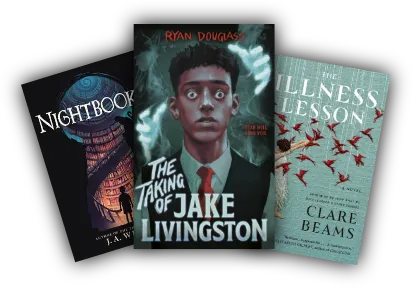

To become a literary agent, you must earn a bachelor’s degree in English, communications, business, or humanities, acquire hands-on experience through literary agency internships or assistant positions, build relationships with acquisitions editors, and establish a specialized manuscript wishlist (MSWL). Literary agents act as business managers and editorial advocates for authors, securing book deals with traditional publishing houses and negotiating client contracts. Agents earn money strictly through a commission rate—typically 15% on domestic print and digital sales and 20% on foreign and subsidiary rights—rather than charging upfront fees. Success requires mastering query letter evaluation, structural editing, contract law, and long-term career strategy for writers across fiction and non-fiction categories.
Understanding the Literary Agent Role within the Publishing Ecosystem
A literary agent serves as the vital bridge connecting authors with major publishing houses such as Penguin Random House, HarperCollins, Simon & Schuster, Hachette, and Macmillan (collectively known as the Big Five), as well as independent academic and mid-sized presses. Unlike publicists or talent managers who focus on brand strategy or media tours, a literary agent’s primary mission is to commercialize written intellectual property, protect an author’s legal rights, and guide a writer’s lifelong creative career.
In today’s fast-moving market, trade publishers rarely review unsolicited submissions. The agent acts as an industry gatekeeper, vetting thousands of pitches in the slush pile to find market-ready manuscripts. When an agent champions a project, they perform heavy editorial feedback, build detailed submission lists of interested editors, pitch the project, conduct auctions, and negotiate legal publishing contracts.
| Role | Primary Responsibility | Compensation Structure | Key Industry Contacts |
|---|---|---|---|
| Literary Agent | Sells book rights to publishers, manages author careers, negotiates contracts. | 15% commission on domestic deals, 20% on foreign/subrights. No upfront fees. | Acquisitions Editors, Foreign Rights Scouts, Legal/Contract Teams. |
| Acquisitions Editor | Buys manuscripts for a specific publishing imprint, oversees in-house edits. | Salaried corporate employee of a publishing house. | Literary Agents, In-House Marketing, Publicity, Production Teams. |
| Author Manager | Focuses on broad career branding, film/TV management, and media ventures. | 10% to 15% commission or monthly retainer across all entertainment channels. | Film Studios, Talent Agencies, TV Producers, Literary Agents. |
Beyond domestic book sales, established agents license subsidiary rights. These include translation rights for international markets, audiobook rights, dramatic film and television rights, serial rights, and merchandising. Understanding how to manage these revenue streams makes a literary agent essential to an author’s financial and creative success.
Step-by-Step Career Roadmap: How to Become a Literary Agent
Transitioning into a literary agency career requires combining artistic intuition with aggressive business strategy. While there is no rigid state licensing process to become an agent, following a structured industry path is essential for landing top roles and building credibility with publishing houses.
Step 1: Earn a Relevant Bachelor’s Degree
While an advanced degree isn’t mandatory, earning a bachelor’s degree in English literature, creative writing, communications, journalism, public relations, pre-law, or business administration builds vital analytical skills. Coursework focusing on modern narrative structures, copyright law, media economics, and digital publishing gives aspiring agents an immediate competitive edge when applying for entry-level positions.
Step 2: Secure Literary Agency Internships and Assistant Roles
Practical entry-level experience is the absolute foundation of a literary agency career. Most agents start as agency assistants, reading interns, or Scout agency assistants. Key responsibilities during this phase include:
- Slush Pile Management: Reading incoming query letters and sample chapters to draft reader reports and evaluate market viability.
- Administrative Support: Tracking royalty statements, processing tax documentation, scheduling pitch meetings, and logging subrights deals.
- Editorial Coverage: Writing concise manuscript evaluations that highlight narrative pacing, character arcs, commercial hooks, and target audience alignment.
- Contract Administration: Reviewing boilerplate publishing agreements under the guidance of senior agents to learn key industry terms.
Step 3: Master Query Evaluation and Reader Reports
To move from an assistant to an associate agent, you must demonstrate exceptional editorial instincts. Writing a professional reader report involves analyzing a manuscript’s voice, market comp titles (comparable published books), target demographic, and structural flaws. An effective reader report answers three main questions: Is the concept high-hook? Is the execution market-ready? Where does this book sit on a bookstore shelf?
Step 4: Develop Your Manuscript Wishlist (MSWL)
An agent’s brand is defined by their tastes and representation goals. A Manuscript Wishlist (MSWL) is a public profile detailing the specific genres, themes, tropes, and voices an agent actively wants to represent. Whether you specialize in young adult (YA) fantasy, speculative science fiction, psychological thrillers, narrative non-fiction, or memoir, defining a clear MSWL attracts high-quality author queries that match your passions.
Step 5: Sign Your First Clients and Close Initial Book Deals
When an associate agent finds a project they believe in, they pitch it to senior partners at their agency to secure approval to extend an **offer of representation**. Once signed, the agent works with the author through multiple revisions before building an editorial submission list. Pushing a client’s debut manuscript through submission, managing multiple editor requests, handling competitive auctions, and closing the initial deal solidifies your status as a full-fledged literary agent.
Step 6: Scale Your Client Roster and Build Backlist Income
A successful agent’s career relies on cumulative commissions. As you sign more authors who publish multiple titles over several years, your **backlist royalties** create a steady stream of passive income alongside new advance payouts. At this stage, agents expand into managing foreign rights sales at major international book fairs, such as the Frankfurt Book Fair and the London Book Fair.
Essential Skills and Industry Competencies
Representing creative talent requires a unique mix of high emotional intelligence, legal acuity, and aggressive sales strategy. To thrive as a literary agent, you must cultivate specific core skills:
- Contract Negotiation and Publishing Law: Mastery of complex contract terms, including advance payout schedules, electronic royalty escalators, joint accounting clauses, out-of-print reversion terms, and indemnity provisions.
- Developmental and Structural Editing: The ability to diagnose pacing problems, character inconsistencies, and weak narrative hooks, guiding authors through rigorous revisions before reaching an editor’s desk.
- Market Trend Forecasting: Identifying shifting consumer demands, emerging reader subcultures (such as TikTok’s BookTok community), and saturated subgenres to advise clients on commercially viable projects.
- Author Advocacy and Relationship Management: Serving as a steady professional advisor during stressful production timelines, review cycles, and royalty reconciliation processes.
- Media and Subrights Pitching: Pitching projects effectively to film scouts, Hollywood managers, foreign co-agents, and media buyers to maximize intellectual property values.
Pro Tip for Non-Fiction Representation: Unlike fiction authors who must submit a complete, polished manuscript, non-fiction authors sell their books based on a comprehensive book proposal and sample chapters. When evaluating complex non-fiction, biography, or business proposals, agents frequently partner with editorial experts. Working alongside professional editorial services and trusted industry resources like Collins Ghostwriting ensures non-fiction authors present commercially sound proposals with clear market positioning, fully fleshed-out chapter outlines, and complete platform metrics before entering the traditional submission pipeline.
Financial Breakdown: Salary, Commissions, and Revenue Models
Understanding literary agency finances is crucial for anyone entering the field. Literary agencies operate as service businesses where revenue relies entirely on performance-based commissions. Reputable literary agents **never** charge authors reading fees, retainer fees, or upfront editing costs. They succeed financially only when their authors succeed.
| Career Phase | Typical Title | Primary Income Source | Estimated Annual Compensation Range |
|---|---|---|---|
| Entry-Level | Agency Intern / Reader | Hourly wage / College stipend | $15.00 – $20.00 / hour |
| Junior / Early Career | Agency Assistant | Base salary from agency | $40,000 – $52,000 |
| Mid-Level | Associate Agent | Base salary + partial commission share | $50,000 – $75,000 (draw against commission) |
| Established | Literary Agent | 100% Commission-based earnings | $80,000 – $250,000+ (uncapped performance) |
| Senior / Partner | Senior Agent / Agency Owner | Commissions + Agency profit split | $300,000+ |
How Literary Commissions Work
When an agent negotiates a book deal, the publishing house pays the author’s advance against royalties directly to the literary agency’s client trust account. The agency deducts its standard commission before disbursing the remaining funds to the author:
- Domestic Sales: Standard 15% commission on all domestic print, ebook, and audio advances and earned royalties.
- Foreign Translation Rights: 20% total commission (typically split 10% to the primary agency and 10% to a co-agent in the foreign territory).
- Film, Television, and Dramatic Rights: 15% to 20% commission (frequently split with a specialized Hollywood book-to-screen agency).
Because advances are usually paid out in three to four installments (upon signing, manuscript delivery/acceptance, hardback publication, and paperback publication), a newly commissioned agent typically experiences a delay of 12 to 18 months before seeing significant commission payouts. Maintaining financial patience and discipline during early deal-making years is essential.
Answers to Frequently Searched Industry Questions
Do literary agents need a law degree or state license?
No, literary agents do not need a law degree or state license to practice. Unlike athletic or talent agents in state-regulated entertainment markets like California or New York, literary representation is regulated primarily through industry self-governance. Joining professional bodies like the Association of American Literary Agents (AALA) requires agents to follow strict ethical guidelines, such as using separate client trust accounts and strictly prohibiting reading fee charges.
How long does it take to become a fully commissioned literary agent?
The transition from an entry-level assistant to a fully commissioned literary agent usually takes three to five years. During the first two years, assistants learn contract standards, editorial reporting, and industry workflows. By years three and four, associate agents begin building their personal client roster, making their first sales, and establishing direct contacts with acquisitions editors.
Can you work remotely as a literary agent?
Yes, remote work is increasingly common across the publishing industry. While traditional agencies historically centered operations around New York City and London, modern digital communication platforms allow agents to work from anywhere. However, agents based outside major publishing hubs must still attend key industry gatherings, rights fairs, and pitch meetings in person to maintain active relationships with editors and foreign scouts.
What is the difference between a literary scout and a literary agent?
A literary agent represents authors, seeking the best deals for their clients’ manuscripts from publishing houses. A literary scout works on behalf of foreign publishers or film production studios, scanning the domestic marketplace to spot promising titles before they sell, so their international or film clients can buy exclusive territory or adaptation rights quickly.
Key Legal Terms and Contract Mechanics Every Agent Must Master
Securing a book deal is only half the battle; ensuring the publishing contract protects your client’s long-term rights is where a literary agent demonstrates real value. Agents must thoroughly understand several critical legal provisions:
1. Advance and Royalty Escalation Clauses
An advance against royalties is an upfront guaranteed payment made by the publisher to the author. Agents negotiate aggressive advance figures alongside escalation thresholds. For instance, an author might earn a 10% royalty on the first 5,000 hardcover copies sold, escalations to 12% on the next 5,000 copies, and 15% on all sales after 10,000 copies. Maximizing these royalty steps ensures clients benefit directly from breakout retail sales.
2. The Option Clause
An **option clause** gives the publisher the first right to review the author’s next book project before other houses can see it. A skilled agent negotiates narrow option parameters, limiting the clause strictly to a direct sequel or a book in the exact same subgenre, while shortening the review window to 30 or 60 days to prevent holding the author’s future work hostage.
3. Out-of-Print and Reversion of Rights
When a book reaches the end of its commercial lifespan, an agent uses **reversion of rights** clauses to reclaim ownership for the author. Modern out-of-print terms define a book as out-of-print when sales drop below a specific threshold (e.g., fewer than 250 copies sold across physical and digital formats in a 12-month period), rather than relying on whether warehouse physical stock exists. Reclaiming rights allows authors to re-pitch, self-publish, or re-license backlist titles.
4. Audio and Digital Retainers
With digital audiobooks driving massive industry growth, agents carefully evaluate whether to grant audiobook rights to the print publisher or retain them to make separate licensing deals with dedicated audio publishers. Retaining audio rights can unlock additional upfront advances and higher ongoing royalty rates for authors.
Essential Action Plan: Your Launch Checklist
Use this practical checklist to guide your journey into literary representation:
- Build Deep Reading Habits: Read 3 to 5 contemporary books per week in your prospective genre to identify current commercial trends, writing styles, and editor acquisition choices.
- Analyze Publishing Trade Journals: Subscribe to industry newsletters like Publishers Weekly, Publishers Lunch, and Shelf Awareness to track editor movements, agency deal announcements, and corporate publishing shifts.
- Apply for Industry Internships: Target entry-level remote or on-site reading internships with recognized agencies affiliated with the Association of American Literary Agents (AALA).
- Draft Professional Mock Reader Reports: Practice evaluating published books as if they were raw manuscript queries, articulating hooks, target demographics, structural strengths, and weaknesses.
- Develop Pitching and Networking Skills: Attend writing conferences, literary festivals, and digital pitch events (such as #PitDark or genre-specific pitch showcases) to connect with unrepresented authors and editorial teams.
- Study Boilerplate Publishing Contracts: Study standard publishing agreements to master terms governing royalty splits, subrights licensing, indemnification, and rights reversions.
The Future of Literary Representation
The literary agency field continues to evolve with digital publishing tools, audio innovations, and global media adaptations. Yet, the core mission of the literary agent remains unchanged: identifying powerful human storytelling, fighting for author compensation, and protecting intellectual property rights across all channels.
By grounding your career in rigorous manuscript analysis, legal fluency, clear market positioning, and strong creative partnerships—such as collaborating with specialized proposal developers and trusted ghostwriting teams—you can build a successful, resilient career as an influential literary agent shaping modern literature.