The Journey from First Draft to Polished Masterpiece
Writing a book is an monumental achievement, but the true craft of authorship often begins only after the first draft is completed. Editing is not merely a technical necessity; it is the transformative process that elevates raw ideas into a professional narrative. Whether you are aiming for traditional publishing or self-publishing, mastering the art of self-editing is the most significant step toward success.
In this comprehensive guide, we will walk through the essential stages of editing, providing you with a roadmap to refine your prose, sharpen your plot, and ensure your manuscript is ready for the world. If you find the editing process overwhelming, remember that expert guidance is always available; for those seeking professional refinement, Collins Ghostwriting offers premium support to help authors polish their work to industry standards.
1. The Power of Distance: Evaluating with Objectivity
The most common mistake new authors make is rushing into the editing process immediately after typing “The End.” To edit successfully, you must first cultivate distance.
- The Cooling-Off Period: Step away from your manuscript for at least two weeks. This emotional detachment is vital for spotting plot holes, repetitive phrases, and underdeveloped character arcs that you were previously too close to notice.
- Fresh Eyes Strategy: Try changing the format of your reading. If you wrote on a laptop, print your manuscript or read it on an e-reader. Changing the font or the medium helps your brain treat the text as “new” information rather than a familiar memory.
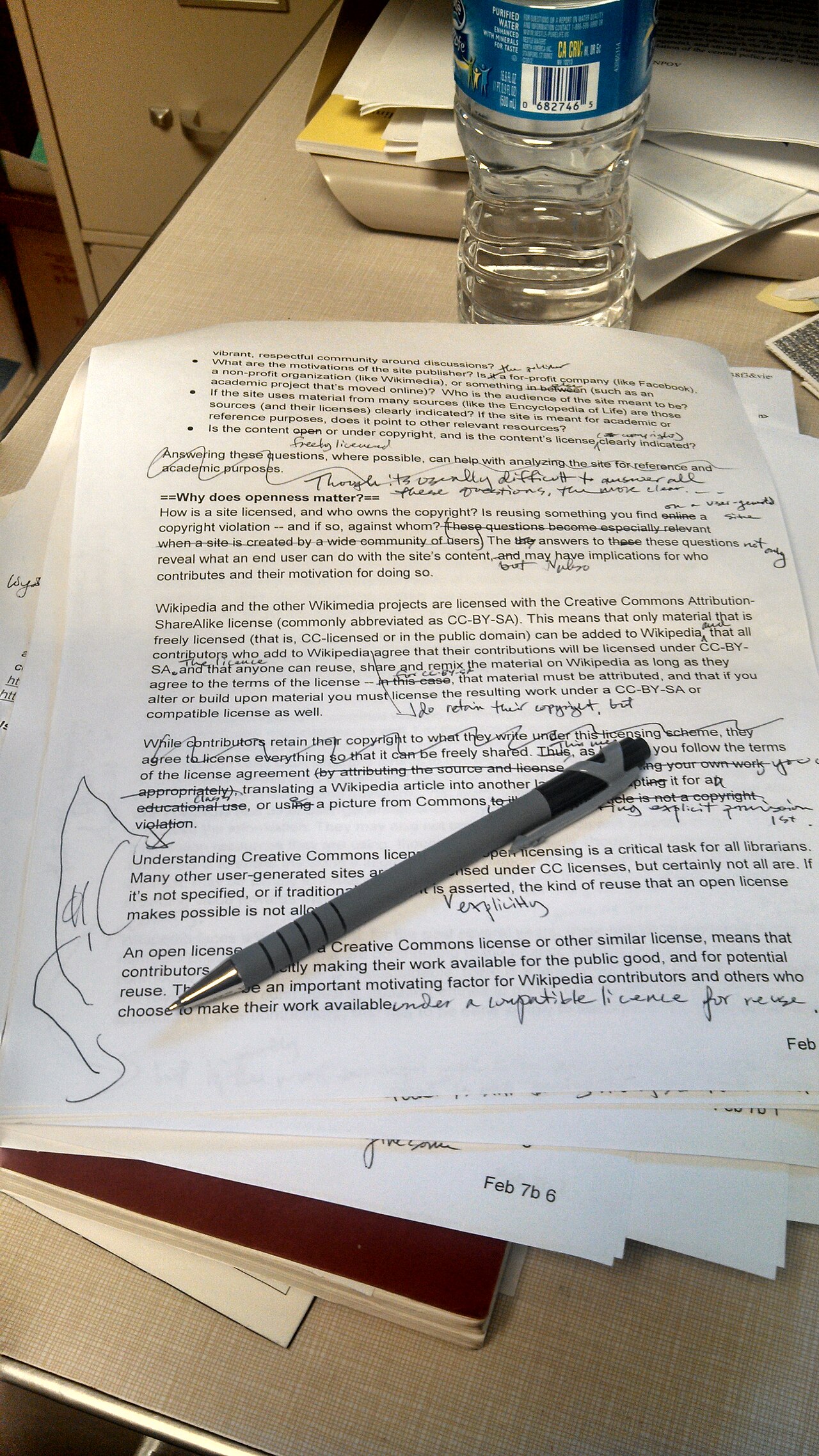
- The Multilayered Approach: Do not attempt to fix everything at once. Divide your editing into distinct phases: structural editing, stylistic refinement, and finally, proofreading.
2. Essential Tools for Modern Authors
In the digital age, you have an entire arsenal of software at your disposal to streamline the editing process. While these tools do not replace the human touch, they are invaluable for catching errors that the tired eye might miss.
| Tool | Primary Function | Best For |
|---|---|---|
| Grammarly | Grammar & Style Suggestions | Quick error detection & tone consistency |
| Hemingway Editor | Readability & Conciseness | Simplifying complex sentences & removing adverbs |
| Scrivener | Project Management | Organizing complex plots & long-form manuscripts |
| ProWritingAid | Deep Stylistic Analysis | Detailed reports on pacing & repetitive vocabulary |
3. Structural Integrity: Coherence and Narrative Flow
Once the technical errors are addressed, you must dive deeper into the architecture of your story. A book can be grammatically perfect and still fail if the narrative lacks cohesion.
The Logic of Pacing
Ensure that your story advances with a clear logical progression. Every scene must either advance the plot or provide essential character development. If a scene does not serve a purpose, it is “killing your darlings” time—have the courage to cut it.
Character Voice and Consistency
Your narrator’s voice should be consistent from the first page to the last. If your protagonist begins as an cynical investigator, ensure their dialogue and internal monologue reflect that worldview consistently, unless a character arc dictates a deliberate shift. Use character sheets to track motivations and physical descriptions to avoid continuity errors.
4. The Final Polish: Proofreading and Presentation
This final stage is about precision. It is the “last mile” of your marathon. Even a great story can be undermined by poor formatting or overlooked typos.
Techniques for Final Review
- Read Aloud: This is the single most effective way to catch clunky dialogue, awkward syntax, and repetitive word choices. Your ear will catch what your eye skips.
- Beta Readers: Before you finalize, enlist the help of beta readers. These are individuals who represent your target audience. Their feedback will reveal if your pacing works for a real reader and if your emotional beats land as intended.
- Professional Formatting: Ensure your manuscript adheres to industry standards. Use a standard font like Times New Roman or Garamond, double-spacing, and clear page numbering. A professional layout signals to agents and editors that you are a serious author.
Pro-Tips for Sustained Success
Editing is a marathon, not a sprint. Maintain a “Style Sheet” where you track specific spellings, character traits, and world-building rules. This prevents the inconsistency of spelling a character’s name two different ways or changing the color of a setting halfway through the book. Furthermore, stay connected with writing communities. Platforms like Scribophile or Critique Circle can provide the external perspective necessary to grow as a writer.
Conclusion: Your Manuscript as a Professional Product
Editing is an investment in your legacy. By approaching your manuscript with patience, utilizing the right digital tools, and maintaining a focus on structural integrity, you transform your work from a rough draft into a compelling narrative. Always remember that the goal of editing is not to change your story, but to clear away the debris so that your story can shine through with absolute clarity. Whether you choose to tackle this alone or partner with professionals, the effort you put into editing is the effort that will define the longevity of your book in the competitive publishing landscape.