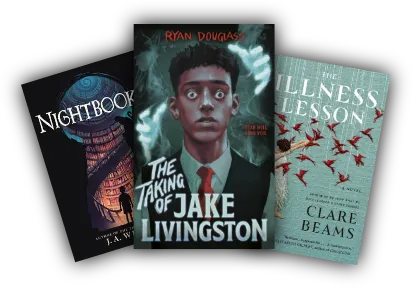

To publish a book, you need a completed, edited manuscript, a professionally designed book cover, an interior layout file (formatted for print and ebook), an ISBN (International Standard Book Number), and a distribution platform account (such as Amazon Kindle Direct Publishing or IngramSpark). Additionally, a successful launch requires optimized metadata (book description, categories, and keywords) and a structured book marketing plan. Whether you choose traditional publishing or self-publishing, having these core assets ensures your book meets industry standards and is discoverable by readers worldwide.
The Complete Book Publishing Checklist: Assets, Timelines, and Costs
Before diving into the mechanics of publishing, it is essential to understand the assets you must gather. The publishing process is a multi-step pipeline where quality directly correlates with commercial success. Below is an overview of everything you need to prepare, along with realistic expectations for timelines and investments.
| Requirement / Asset | Primary Purpose | Estimated Timeline | DIY vs. Professional Recommendation |
|---|---|---|---|
| Polished Manuscript | Delivers a compelling, error-free story or instructional guide to the reader. | 2 to 6 months (editing phases) | Professional editing is mandatory for commercial success. |
| Book Cover Art | Acts as the primary marketing tool; grabs reader attention in search results. | 2 to 4 weeks | Professional design is highly recommended to match genre standards. |
| Interior Layout (PDF & EPUB) | Ensures readability across print books and digital e-readers. | 1 to 2 weeks | Can be DIYed with specialized software, but professional formatting is safer. |
| ISBN & Barcode | Uniquely identifies your book for retailers, libraries, and distributors. | 1 to 5 days | Purchase directly from Bowker (US) or your country’s national agency. |
| Book Metadata & Keywords | Optimizes your book for search engines and retail platform algorithms. | Ongoing research | Can be DIYed using competitor research and keyword optimization tools. |
| Author Platform & Website | Builds long-term reader loyalty and serves as a hub for marketing. | 1 month (setup) | Highly recommended to establish before the official book launch. |
Navigating these requirements can be overwhelming for first-time authors. Partnering with an expert team like Self Publishing Services can streamline the entire process, ensuring every asset meets strict industry standards while you focus on your writing.
Phase 1: Refining the Manuscript (The Editorial Core)
You cannot publish a successful book without a high-quality manuscript. Skipping professional editing is the most common mistake independent authors make. A draft that is full of typos, plot holes, or structural inconsistencies will quickly receive negative reviews, halting your book’s sales momentum.
The Four Essential Levels of Editing
Editing is not a single, monolithic step. It is a multi-layered process designed to refine your book from macro-level concepts down to micro-level punctuation marks.
- Developmental Editing: This high-level review focuses on story structure, character arcs, pacing, plot holes, and thematic consistency in fiction, or logical flow, clarity, and tone in non-fiction.
- Line Editing: This step addresses voice, sentence structure, flow, and readability. Line editors help make your prose tighter, more engaging, and stylistically sound.
- Copyediting: A technical edit that corrects grammar, spelling, punctuation, syntax, and factual inconsistencies. It ensures adherence to a specific style guide, such as the Chicago Manual of Style.
- Proofreading: The final quality check. A proofreader searches for lingering typos, formatting glitches, and minor punctuation errors after the book has been formatted for publication.
To ensure your manuscript is polished to perfection, hiring professional book editors for hire is critical to ensure your work stands on equal footing with traditionally published bestsellers.
Phase 2: Visual and Structural Design (The Packaging)
Once your manuscript is clean and polished, it must be packaged into a product. Readers do judge books by their covers, and retail platforms demand specific file formats for print and digital distribution.
Professional Book Cover Design
Your cover is your primary sales tool. It must instantly communicate your book’s genre, tone, and quality level within a fraction of a second. A romance novel cover looks vastly different from a sci-fi thriller or a self-help guide. Attempting to design your own cover without professional design training often results in a product that looks amateurish.
When preparing cover files, you will need:
- Ebook Cover: A high-resolution JPEG or TIFF file optimized for digital screens (typically a 1:1.6 aspect ratio).
- Print Cover (Paperback/Hardcover): A print-ready PDF file that includes the front cover, spine, and back cover, calculated exactly to your book’s final page count and paper thickness.
Investing in premium book cover design services will directly impact your click-through and conversion rates on retail platforms like Amazon.
Interior Book Formatting and Typesetting
Formatting is the art of making the interior of your book readable and visually pleasing. The requirements differ significantly between print and digital formats:
- Print Formatting (PDF): Requires careful attention to margins, gutters (the inner margin where pages are bound), running headers, page numbers, drop caps, and font choices. The final file must be exported as a press-quality PDF with all fonts embedded.
- Ebook Formatting (EPUB): Unlike print, ebooks feature reflowable text. This means the reader can adjust the font size and screen background. The formatting must be clean, responsive, and validated to ensure it displays correctly on Kindle, Kobo, and Apple Books.
Phase 3: Legalities, Identifiers, and Metadata
Publishing a book involves several administrative and legal steps to protect your intellectual property and make your work purchasable by retailers and libraries worldwide.
Securing an ISBN and Barcode
An ISBN (International Standard Book Number) is a 13-digit identifier unique to your book. Every format of your book (paperback, hardcover, ebook, audiobook) requires its own unique ISBN.
While some self-publishing platforms offer free ISBNs, these platforms will be listed as the publisher of record. If you want full control over your publishing imprint and distribution rights, you should purchase your own ISBNs from your country’s official agency (such as Bowker in the United States).
Copyright Protection
In most jurisdictions, your work is copyrighted the moment you write it down. However, officially registering your copyright with the government (such as the U.S. Copyright Office) provides significant legal advantages and statutory damages in the event of plagiarism or copyright infringement.
Optimizing Your Book Metadata
Metadata is the collection of data that describes your book. It is how retail search engines match your book with interested readers. Your metadata package must include:
- Book Title and Subtitle: Must be catchy, memorable, and (especially for non-fiction) contain relevant search terms.
- Book Description (Blurb): A persuasive, sales-focused summary designed to hook the reader and drive purchases.
- Keywords: Search terms that potential readers type into online stores when looking for a book like yours.
- BISAC Categories: Standardized industry codes used to categorize books so retailers know where to place them on physical or digital shelves.
Choosing Your Publishing Route: Self-Publishing vs. Traditional
The path you choose to bring your book to market will dictate your timeline, upfront costs, and profit margins. Understanding the structural differences between traditional and self-publishing is essential for aligning your strategy with your goals.
| Feature | Traditional Publishing | Self-Publishing (Indie) |
|---|---|---|
| Upfront Costs | $0 (The publisher pays for editing, design, and distribution). | Variable (You pay for editing, cover design, and formatting). |
| Time to Market | 1 to 2 years after signing a contract. | As soon as your files are ready (typically days to weeks). |
| Royalty Rates | 7% to 15% on print; up to 25% on ebooks. | Up to 70% on digital platforms; 40% to 60% on print. | The publisher has the final say on cover design, title, and edits. | You retain 100% control over all creative and business decisions. |
| Rights Retention | You license your rights to the publisher for a set period. | You retain all publishing, translation, and adaptation rights. |
Real-Time Search Queries: What Authors Ask Google
To help you navigate the publishing landscape, we have compiled and answered the most common search queries that aspiring authors enter into search engines daily.
How much does it cost to self-publish a book?
The cost to self-publish a book typically ranges from $1,000 to $5,000, depending on the length of your manuscript and the level of professional help you hire. This budget generally covers developmental editing ($800–$2,000), professional book cover design ($200–$800), interior formatting ($150–$500), and purchasing an ISBN ($125 for a single, or $295 for a pack of 10 in the US).
Do I need a business license to publish a book?
No, you do not strictly need a business license to publish a book as an individual creator. You can publish under your own name or a pen name as a sole proprietor. However, many independent authors eventually choose to establish a Single-Member LLC (Limited Liability Company) to protect their personal assets, open a business bank account, and manage their publishing royalties and expenses more efficiently.
How do I get my book into physical bookstores?
To get your self-published book onto physical bookstore shelves, you must make it available for wholesale purchase through a major distributor like IngramSpark. Bookstores rarely buy books directly from Amazon KDP. Your book must be set to a standard industry discount (usually 55%) and, crucially, must be marked as “returnable.” Bookstores will only stock books they can return if they do not sell.
Your Launch and Marketing Roadmap
Publishing your book is only half the battle; the other half is letting the world know it exists. A successful book launch requires strategic planning weeks, or even months, before your official publication date.
- Build an Email List: Your newsletter subscriber list is your most valuable marketing asset. Offer a free chapter, a short story, or a resource guide (a “lead magnet”) to entice readers to sign up.
- Assemble a Launch Team: Gather a group of dedicated readers, friends, or fellow authors who agree to read an advance reader copy (ARC) of your book and leave honest reviews on Amazon and Goodreads on launch day.
- Set Up Pre-Orders: Enable pre-orders on platforms like Amazon, Apple Books, and Kobo to build sales momentum and secure early placement in platform algorithms.
- Run Target Campaigns: Utilize paid advertising platforms like Amazon Ads, BookBub, and Meta Ads to drive targeted traffic to your book’s sales page.